...

Red River Fence

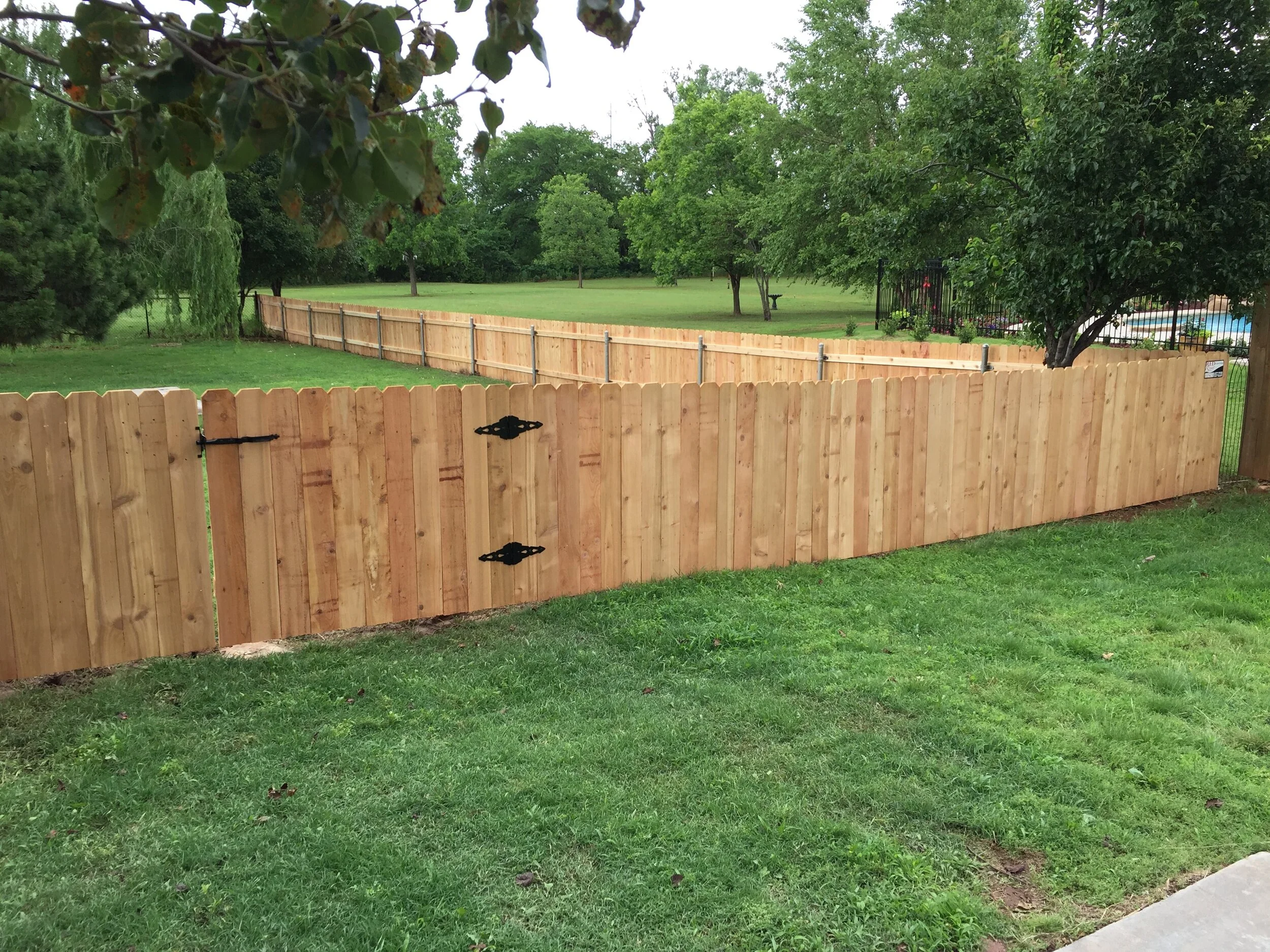
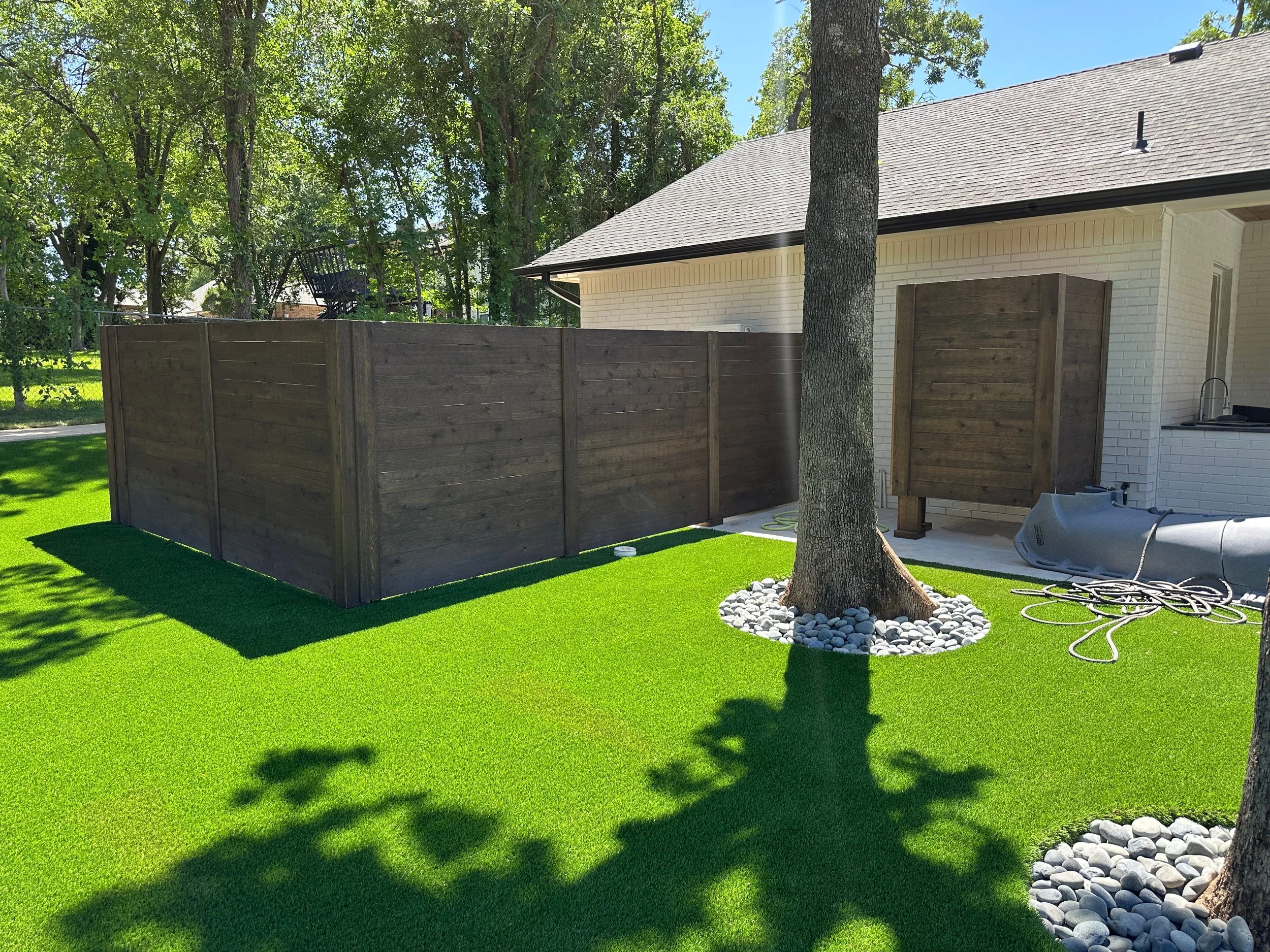
You protect a cedar fence from weather by sealing or staining it every 3-5 years, cleaning it once a year, keeping water away from the base, and fixing damage quickly. These simple steps help your fence last 15-40 years instead of wearing out early.

Why Weather Hurts Your Cedar Fence

Cedar wood is strong and beautiful. It has natural oils that fight bugs and rot. But weather can still harm it over time.

What Rain Does to Cedar

Rain soaks into the wood. This makes the boards swell up. When the sun comes out, the wood dries and shrinks. This happens again and again. Over time, your fence boards can warp and bend, crack down the middle, split at the ends, and rot at the bottom.

Too much water is the biggest enemy of wood fences. When moisture gets trapped inside the wood, mold and mildew start to grow. This eats away at the cedar and makes it weak.

How Sun Damages Wood

The sun’s UV rays are like bleach for your fence. They break down the wood’s natural color. Without protection, cedar fences turn from pretty reddish-brown to dull gray in just one year.

UV rays also dry out the wood. This makes it crack and splinter. The hot sun can make boards twist and pull away from the nails.

What Wind and Cold Do

Strong winds push on your fence. If the wood is weak from water damage, the fence can lean or even fall down. Cold weather makes wood contract and get smaller. When it warms up, the wood expands. This back-and-forth movement loosens nails and creates gaps.

Snow and ice add extra weight. They also keep the wood wet for long periods. This speeds up rot, especially at the bottom of the fence.

How Long Cedar Fences Last With and Without Protection

The life of your cedar fence depends on how well you care for it.

Untreated Cedar Fences

An untreated cedar fence can last 15-30 years. This is still pretty good because cedar has natural protection. But the fence will turn gray. It will also get more cracks and warping over time.

Some people like the gray look. It gives a rustic feel. But if you want your fence to look new and last longer, you need to protect it.

Treated and Stained Cedar Fences

When you seal or stain your cedar fence, it can last 30-40 years. That’s 10-20 extra years! The stain creates a shield that blocks UV rays from fading the wood, stops water from soaking deep into the boards, keeps the natural reddish-brown color, and prevents cracks and splits.

This means less money spent on repairs and replacement. A well-maintained fence is also worth more if you ever sell your home.

The Best Ways to Protect Your Cedar Fence

Let’s look at the top methods for keeping your fence safe from weather.

Sealing Your Cedar Fence

A sealer is like a raincoat for your fence. It sits on top of the wood and repels water. Clear sealers let you see the natural wood grain.

When to Apply Sealer:

  • On new fences: Wait 2-4 weeks after installation so the wood can dry
  • On old fences: Every 1-2 years
  • Best time: Spring or fall when it’s dry and mild

How to Apply Sealer:

  1. Clean the fence first (see cleaning section below)
  2. Let the wood dry for 24-48 hours
  3. Use a brush, roller, or sprayer to spread the sealer
  4. Apply thin, even coats
  5. Don’t put on too much or it will crack and peel

Look for sealers with UV protection. These work better than plain waterproof sealers. Water-based sealers are easier to clean up and safer for the environment. Oil-based sealers last longer but take more time to dry.

Staining Your Cedar Fence

Stain is better than just sealer because it soaks into the wood. This gives deeper protection. Stain also adds color and hides small flaws.

Types of Stain:

Semi-transparent stain shows the wood grain, adds some color, and gives great UV protection. Solid stain covers the wood like paint and works best for old fences with damage. Clear stain provides just UV protection with no color change.

Best Stains for Cedar:

Use oil-based stains on cedar. Cedar has natural oils that can react badly with water-based stains. This causes a blotchy look. Oil-based stains sink in deeper and last 3-5 years.

How to Stain Your Fence:

  1. Pick a dry day with temperatures between 50-90°F
  2. Clean and sand rough spots
  3. Test the stain on a small hidden area first
  4. Use a sprayer for large fences (faster and more even)
  5. Use a brush for small fences or touch-ups
  6. Apply 1-2 coats
  7. Let each coat dry 24 hours

Pro tip: Stain both sides of your fence if you can. The back side needs protection too. If you only stain one side, moisture can still get in from the other side and cause damage.

Cleaning Your Cedar Fence Regularly

Dirt, mold, and mildew make your fence look bad. They also trap moisture against the wood. This causes rot. Clean your fence at least once a year.

What You Need:

You’ll need a garden hose or pressure washer (on low setting), soft brush, bucket, oxygen bleach (not chlorine bleach), dish soap (no ammonia), and safety glasses and gloves.

Cleaning Steps:

  1. Remove leaves, dirt, and debris with a brush
  2. Mix 3 quarts warm water + 1 quart oxygen bleach + ¼ cup dish soap
  3. Spray this mix on the fence
  4. Wait 10 minutes
  5. Scrub stubborn stains with your brush
  6. Rinse everything off with water
  7. Let the fence dry for 24 hours before staining

Never use chlorine bleach. It damages wood fibers and makes them fuzzy. Never use ammonia cleaners either. These can react with bleach and create dangerous fumes.

If you use a pressure washer, keep it on low power (1,500-2,000 PSI). Stand a few feet back. Move slowly in sweeping motions. Too much pressure strips away the wood and damages it.

Keep Water Away From the Fence

Water is the number one cause of fence rot. Here’s how to keep your fence dry:

Move Your Sprinklers: Point sprinkler heads away from the fence. Even with sealer, constant water spray causes problems. Save that water for your grass instead.

Create a Buffer Zone: Keep plants, bushes, and weeds at least 12 inches away from the fence. Plants hold moisture against the wood. This stops the fence from drying out after rain.

Trim back vines and climbing plants. They look pretty but trap water and can pull boards loose.

Fix Drainage Problems: If water pools near your fence after rain, you have a drainage issue. Add gravel or adjust the soil grade so water flows away from the fence.

Install Post Caps: The top of fence posts soaks up a lot of water. Post caps protect them like a little roof. Buy caps that are 1/16 to 1/8 inch bigger than your posts. This lets the wood expand and shrink without breaking the cap.

Protect the Bottom of Your Fence

The bottom boards rot first. They sit close to wet soil and get splashed by rain. Here’s how to protect them:

Proper Installation: Your fence boards should sit at least 2 inches above the ground. This keeps them out of standing water and mud. Many fence companies make this mistake. Check your fence height before installation.

Use Rot Boards: A rot board (also called a mud board) is an extra piece of wood at the very bottom. When it rots, you just replace this one board instead of your whole fence. It’s cheaper and easier.

Add Fence Post Guards: These are protective sleeves that go around fence posts at ground level. They block moisture and add years to your fence life. You can buy these at hardware stores or online.

Fix Damage Right Away

Small problems turn into big problems fast. Check your fence every few months for:

  • Loose boards or rails
  • Cracks or splits
  • Warped or twisted boards
  • Soft spots (rot)
  • Loose nails or screws
  • Leaning posts

Fix issues as soon as you spot them. Replace any rotted boards immediately. One rotted board can spread damage to nearby boards.

Tighten loose hardware. If nails are pulling out, replace them with longer screws. Screws hold better than nails in wood that expands and contracts.

Choosing the Right Products for Your Cedar Fence

Not all sealers and stains work the same. Here’s what to look for.

Features to Check

UV Protection: This is a must. UV blockers act like sunscreen for your fence. They stop the sun from breaking down the wood and fading the color. Check the label for “UV inhibitors” or “UV protection.”

Water Repellent: The product should bead up water and make it roll off. Look for words like “water-repellent” or “hydrophobic barrier.”

Mildew Resistance: Some products include mildewcide. This stops mold and mildew from growing. Very helpful in humid areas or shady spots.

Breathability: The best products let moisture escape from inside the wood while blocking new water from getting in. This prevents trapping moisture, which causes rot.

Climate Matters

Your weather affects which products work best:

Hot, Dry Climates: Use oil-based sealants with strong UV protection. The sun is your biggest enemy. Products that prevent drying and cracking are key.

Rainy, Humid Climates: Pick water-based sealants with mildew inhibitors. Moisture is your main problem. Make sure the product has excellent water resistance.

Cold Climates: Use products rated for temperature extremes. They need to handle freezing and thawing without cracking or peeling.

Variable Weather (like Oklahoma): Choose high-quality combination products. Oklahoma gets hot summers, cold winters, strong winds, and sudden storms. You need a stain that does it all. Look for oil-based stains with UV protection, water repellence, and mildew resistance.

How Often to Reapply

Most sealers and stains need to be reapplied on a schedule. Clear sealers last 1-2 years, semi-transparent stains last 3-5 years, and solid stains last 5-7 years.

The Water Test: Not sure if your fence needs retreatment? Do this simple test. Spray water on the fence with a hose. If the water beads up and rolls off, your stain is still working. If the water soaks in, it’s time to reapply.

Step-by-Step: Protecting a New Cedar Fence

You just installed a new fence. Here’s exactly what to do.

Week 1-2: Let It Breathe

Don’t stain your new fence right away. The wood needs time to dry out. Most mills ship cedar with high moisture content. If you seal wet wood, you trap the moisture inside. This causes mold and rot.

Wait 2-4 weeks for the wood to dry. In humid weather, wait longer (6-8 weeks). The wood should feel dry to the touch.

Week 3-8: Prep and Protect

Step 1: Sand the Wood New cedar has “mill glaze” on the surface. This is a smooth layer from the sawmill. It blocks stain from soaking in.

Sand lightly with 80-120 grit sandpaper. Just enough to rough up the surface. Always sand with the grain (the direction of the wood lines), not against it.

Step 2: Clean the Fence Even new fences have sawdust and dirt. Clean with soap and water. Rinse well and let dry for 24 hours.

Step 3: Apply Stain or Sealer Follow the product instructions. Apply thin, even coats. Work on one section at a time. Don’t let the product dry before you spread it evenly.

Most fences need 1-2 coats. Let the first coat dry completely (usually 24 hours) before adding the second coat.

Year 1 and Beyond

First Year: Just inspect your fence every few months. Make sure nothing is warping or rotting. Check that the stain is still working.

Year 2-3: Clean the fence once. Look for areas where the stain is wearing thin. Spot-treat any problem areas.

Year 3-5: Time to restain the whole fence. Clean it first, sand any rough spots, and apply fresh stain.

Step-by-Step: Restoring an Old Cedar Fence

Your fence is gray and weathered. Can you save it? Yes! Here’s how.

Assess the Damage

Walk along your fence and check every board. Look for rotten wood (soft, spongy, or crumbly), missing or broken boards, leaning sections, and severe warping.

Replace any rotten boards. You can’t fix rot with stain. If more than 30% of your fence is damaged, you might need to replace the whole thing. But if most boards are solid, you can restore it.

Deep Cleaning

Old fences need more than basic cleaning. They have years of dirt, mold, and gray weathering.

Option 1: Oxygen Bleach Method Use the cleaning recipe from earlier (3 quarts water + 1 quart oxygen bleach + soap). Scrub hard with a stiff brush. This removes most gray color and mold.

Option 2: Commercial Wood Cleaner Buy a wood cleaner made for fences. Follow the directions. These products work faster than bleach but cost more.

Option 3: Pressure Washing Use a pressure washer on low setting (1,500 PSI max). This strips off the gray layer. Be careful not to damage the wood. Keep the nozzle moving. Never hold it in one spot.

After cleaning, let the fence dry for 48 hours in good weather.

Sanding and Repairs

Sand the entire fence with medium-grit sandpaper (80-100 grit). This smooths splinters and helps stain stick. It’s hard work but makes a big difference.

Fill any cracks or holes with wood filler. Let it dry. Sand smooth.

Tighten all loose boards and hardware. Replace rusty nails with new screws.

Staining Your Old Fence

Old fences often look better with semi-transparent or solid stain. These hide flaws and give even color.

Apply 2 coats for best results. The first coat soaks in deep. The second coat provides the protective barrier.

After restaining, your old fence will look almost new!

Common Mistakes to Avoid

Learn from these common errors:

Staining Too Soon

New cedar needs to dry first. Staining wet wood traps moisture and causes problems later.

Using the Wrong Products

Water-based stains on cedar often look blotchy. Always use oil-based products on cedar. Also, never use deck stain on fences. They’re different products.

Skipping Cleaning

Staining a dirty fence doesn’t work. The stain won’t stick properly. Dirt under the stain looks bad and the stain peels off faster.

Over-Applying Product

More is not better. Thick coats crack and peel. Two thin coats beat one thick coat every time.

Ignoring the Backside

Many people only stain the side they see. But moisture attacks both sides. Stain both sides when possible.

Setting Posts in Concrete

Concrete traps water around posts. This causes rot. Use gravel instead. It drains better and lets air circulate.

Letting Plants Touch the Fence

Vines and bushes look nice but they hold moisture against the wood. This causes mold, rot, and insect problems.

Special Considerations for Oklahoma Weather

Oklahoma has tough weather. Your fence faces hot, intense summer sun, sudden temperature swings, strong winds, heavy spring storms, ice storms in winter, and high humidity one day with dry conditions the next.

This means your fence needs extra protection.

Wind Protection Tips

Oklahoma is famous for wind. Make sure your fence posts are installed deep. Posts should go at least 36-42 inches into the ground. Use steel posts instead of wood posts. They’re much stronger.

Check your fence after every major storm. Strong winds can loosen boards or push posts out of alignment.

Dealing With Temperature Swings

Oklahoma can be 70°F one day and 30°F the next. This rapid change is hard on wood. The wood expands and contracts quickly. This causes more warping and cracking than in places with steady temperatures.

Use high-quality stain that handles temperature extremes. Reapply stain more often than the label suggests. Every 3 years is better than waiting 5 years in Oklahoma.

Prepare for Ice and Hail

You can’t prevent ice and hail, but you can minimize damage by keeping your fence well-stained so ice doesn’t soak into the wood, checking for damage after storms, and fixing any chips or dents quickly.

Extra Protection Methods

These bonus tips give your fence even more defense against weather.

Plant Strategically

Some trees and bushes help protect your fence from wind and sun. Plant them 2-3 feet away (not touching the fence). Evergreens work well as windbreaks.

Just make sure they don’t create too much shade. Too much shade keeps the fence damp and encourages mold.

Install Fence Boards Vertically

Most privacy fences have vertical boards. This is better than horizontal boards for water drainage. Water runs down and off instead of sitting in the cracks between boards.

Use Quality Hardware

Cheap nails rust quickly. Rust stains the wood and weakens connections. Always use galvanized or stainless steel nails, exterior-grade screws, and rust-resistant hinges on gates.

The small extra cost saves you from ugly rust streaks and loose boards.

Consider Fence Styles With Built-In Protection

Some fence styles last longer because of how they’re built. For example:

Board-on-Board Style: Boards overlap slightly. This creates natural drainage and lets air flow through. Water doesn’t get trapped.

Cap and Trim: Adding a top cap and trim boards protects the vulnerable top edges where water soaks in.

When to Call a Professional

Some fence work is easy to do yourself. Other times, you need expert help.

DIY-Friendly Tasks

You can handle yearly cleaning, applying stain or sealer, basic inspections, replacing 1-2 damaged boards, and tightening loose hardware on your own.

Call the Pros For

Get professional help for major structural damage, leaning or sagging sections, multiple rotten posts, full fence replacement, and warranty-covered repairs.

Professional fence companies like Red River Fence have the right tools and experience. They can spot problems you might miss. If you’re not comfortable on a ladder or working with large pieces of wood, it’s safer to call for help.

Many companies offer maintenance services too. They can clean and restain your fence for you. This saves you time and gets professional results.

How to Check if Your Fence Needs Attention

Don’t wait for major problems. Regular checks catch issues early.

Monthly Quick Check

Once a month, do a fast walk around your fence. Look for leaning posts or sections, loose or missing boards, new cracks or splits, mold or mildew spots, and plants growing on the fence.

This takes just 5 minutes. Fix small problems right away.

Yearly Deep Inspection

Once a year (spring is best), do a thorough inspection:

  1. Check every post at ground level for rot
  2. Look at all horizontal rails
  3. Examine each board for warping or damage
  4. Test gate hinges and latches
  5. Do the water test to check stain condition
  6. Look for any insect damage or holes

Write down what you find. This helps you track changes over time. Take photos of problem areas. This helps when talking to repair companies.

Signs You Need Immediate Help

Call a professional right away if you see posts leaning more than a few inches, boards hanging loose or falling off, large areas of soft rotten wood, entire sections sagging or about to fall, or termite tunnels and lots of insect holes.

These problems won’t fix themselves. They get worse quickly.

Cost-Saving Tips for Fence Maintenance

Protecting your fence doesn’t have to cost a fortune. Here’s how to save money:

Buy in Bulk

If you have a large fence, buy stain and sealer in bigger containers. A 5-gallon bucket costs less per gallon than five 1-gallon cans.

Do Your Own Labor

Cleaning and staining are easy to learn. Doing it yourself saves hundreds of dollars compared to hiring someone. Just make sure you have the time and physical ability.

Maintain Regularly

This sounds obvious but it’s true. Spending $200 every 3 years on stain prevents spending $5,000 on fence replacement. Prevention is always cheaper than replacement.

Shop for Sales

Buy stain and supplies in fall or winter when demand is low. Many stores discount fence products in the off-season.

Focus on Problem Areas

If money is tight, protect the most vulnerable areas first. Focus on the bottom 6 inches of fence, posts at ground level, the sunny side of the fence, and areas near sprinklers.

You can do the rest later when you have more budget.

Make Your Own Cleaning Solution

The oxygen bleach cleaning recipe costs just a few dollars. It works as well as expensive commercial cleaners.

Understanding Cedar Wood Properties

Knowing more about cedar helps you protect it better.

Why Cedar is Popular for Fences

Cedar has special properties that make it perfect for fencing. The natural oils fight bugs and decay, while tannins provide natural chemicals that resist rot. Cedar offers great stability and doesn’t shrink and swell as much as other woods. It has that beautiful reddish-brown color and a pleasant smell when fresh.

These features make cedar a top choice for outdoor projects. But the oils and tannins do wear away over time. That’s why protection matters.

Western Red Cedar vs. Other Types

Most fences use Western Red Cedar. This comes from Canada and the Pacific Northwest. It’s the gold standard for outdoor wood.

Some companies try to substitute cheaper woods like Japanese Cedar (not true cedar, thin, warps easily, smells bad from fumigation), Native Cedar (North American trees but wrong type, not good for outdoor use), and Douglas Fir (sometimes sold as “cedar” but it’s not and rots faster).

Always ask what type of cedar you’re getting. Insist on Western Red Cedar for your cedar privacy fence.

How Cedar Ages

Without protection, cedar goes through stages:

Year 1: Still looks new. Color fades slightly.

Year 2-3: Surface turns light brown. Gray patches appear.

Year 4-5: Mostly gray all over. Surface feels rough.

Year 6+: Silvery gray. Texture is rough and weathered. Small cracks appear.

This aging is natural. It doesn’t mean the fence is falling apart. Many people like the gray look. But if you want to keep the original color, you need to stain regularly.

Environmental Benefits of Cedar Fence Care

Taking care of your fence is good for the planet too.

Reducing Waste

A fence that lasts 40 years instead of 15 years means less wood in the landfill. Proper maintenance reduces waste significantly.

Sustainable Forestry

Cedar from responsible sources (like Western Red Cedar) comes from well-managed forests. These forests replant trees and protect ecosystems. By making your cedar fence last longer, you reduce demand for new timber.

Eco-Friendly Products

Many modern stains and sealers have low VOCs (volatile organic compounds). These are better for air quality. Water-based products are especially eco-friendly. Look for products labeled “low-VOC” or “eco-friendly.”

Water Conservation

Protecting your fence means redirecting sprinklers away from it. This saves water. You’re using that water for your lawn and plants instead of soaking a fence that doesn’t need it.

Final Thoughts

Protecting your cedar fence from weather isn’t complicated. It takes some work, but the effort pays off. A well-maintained fence lasts decades and looks beautiful the whole time.

Remember the key points to protect your fence properly. Clean your fence once a year, stain or seal every 3-5 years, keep water away from the base, fix problems quickly, and use the right products for your climate.

Start with a good cleaning this spring. Then apply a quality stain. Set a reminder to check your fence every few months. These simple habits make a huge difference.

Your fence is an investment in your home. It provides privacy, security, and curb appeal. Proper care and maintenance protects that investment and saves you money in the long run.

If you need help or want professional installation, get a quote from experienced fence builders. They can help you choose the best options for your property and ensure your fence is built to last.

Ready to protect your fence? Start today. Your future self will thank you when your fence still looks great 20 years from now.

Leave a Reply

Your email address will not be published. Required fields are marked *

Seraphinite AcceleratorOptimized by Seraphinite Accelerator
Turns on site high speed to be attractive for people and search engines.