
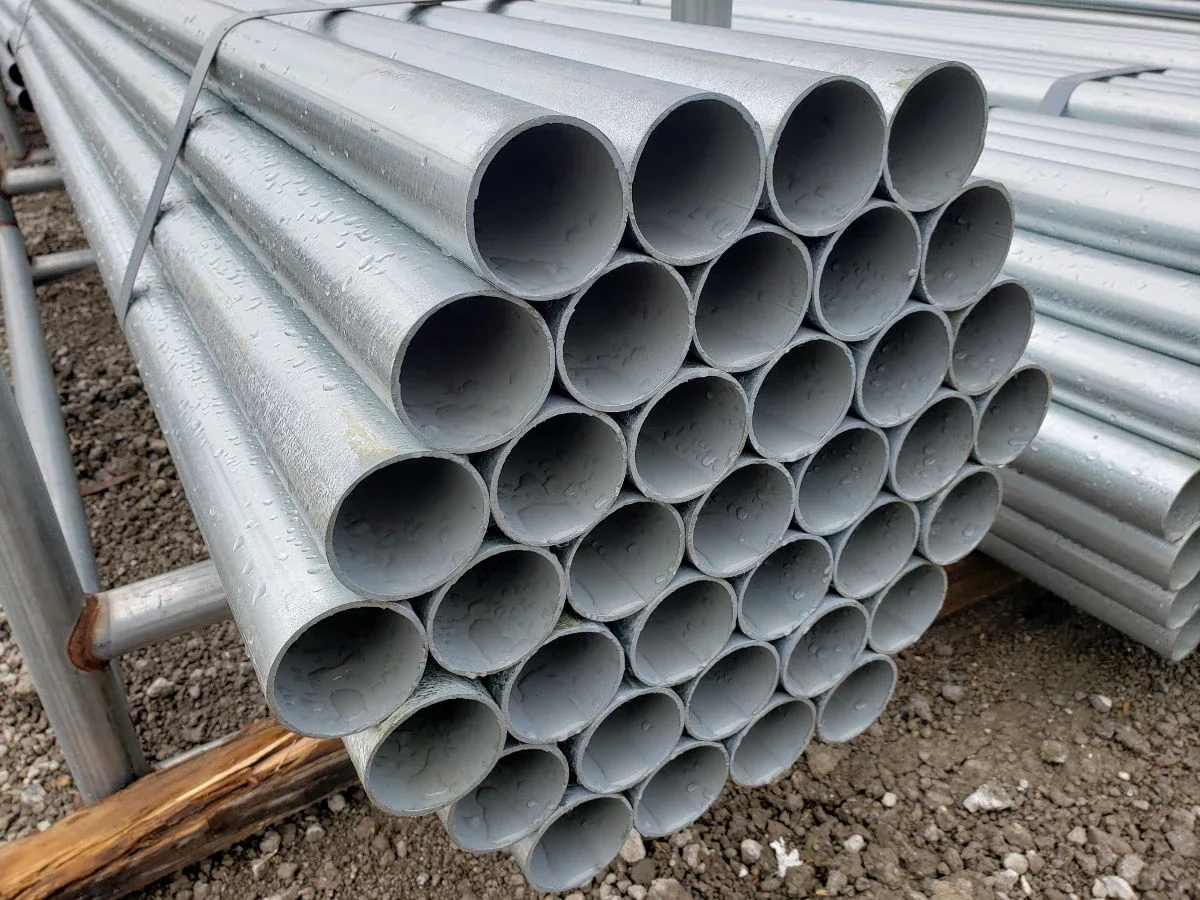
Schedule 20 vs “HD-20” Steel Fence Posts: Why Wall Thickness Matters (OKC Metro)
Steel post quality comes down to wall thickness and steel strength. A Schedule 20 post at .095" wall contains materially more steel than a lighter .080" wall alternative, which typically increases stiffness and resistance to bending—especially under wind load and at gates. Fence framework specs commonly list .095" wall for certain “WT-20 / SS-20” style posts and .080" wall for lighter framework.
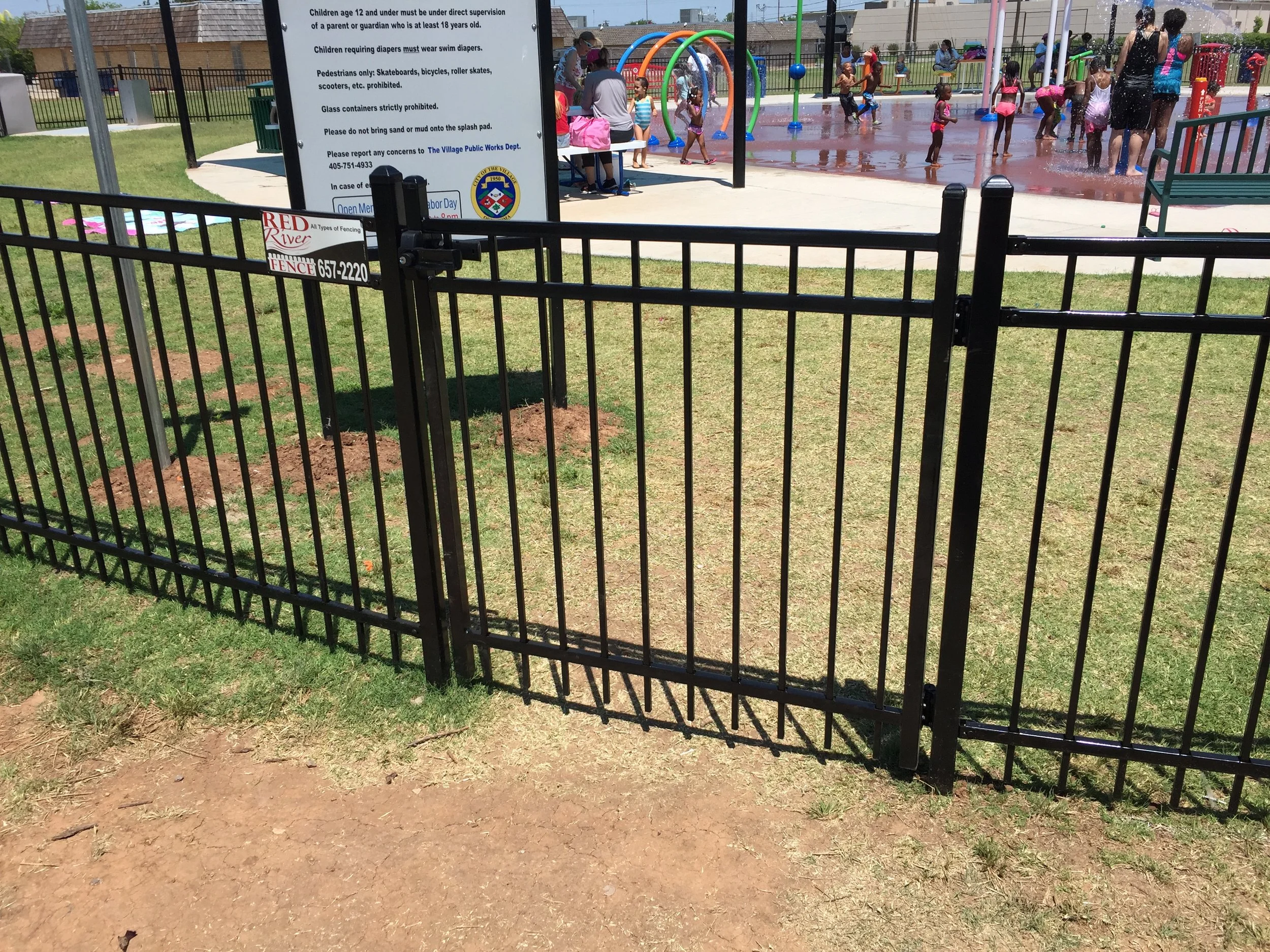
Pool Fence Gate Requirements (The Stuff Inspectors Actually Care About)
Most pool fence gate requirements boil down to this: the gate must be self-closing, self-latching, and open outward away from the pool. If the latch release is under 54 inches, safety guidance calls for the release to be placed where kids can’t reach it easily (on the pool side and below the top of the gate), and the gate should prevent reach-through near the latch.
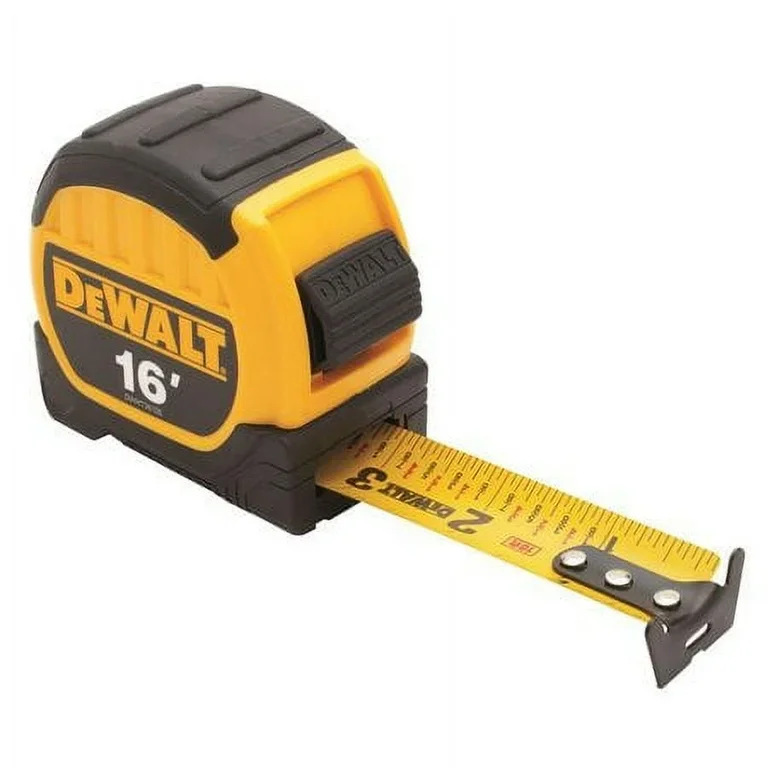
How to Measure Linear Feet for a Fence (So Your Quote Is Accurate)
To measure linear feet for a fence, measure each straight run of the planned fence line (side-to-side), write down each distance, then add them together. Use a measuring wheel/tape for best accuracy, or Google Maps “Measure distance” as a solid estimate. Mark gate locations and include their widths so the quote matches your layout. Google Maps provides step-by-step instructions for measuring distance between points.
5 Mistakes Homeowners Make When Getting Fence Quotes in OKC (And How to Avoid Them)
The biggest fence-quote mistakes are comparing price without matching specs, skipping the “included/not included” details, not asking about posts and installation method, underestimating gate build quality, and failing to get a clear written scope and payment plan. Consumer guidance consistently recommends getting written estimates and comparing more than just the lowest bid.

Are Fence Prices Cheaper in the Off-Season?
Fence prices aren’t automatically cheaper in the off season. Some contractors offer winter promotions because schedules can be lighter, but Red River Fence does not change pricing based on demand. We stick to consistent margins so every customer gets the same honest price for the same build—no peak-season premiums and no “slow season” shortcuts. (Some companies do advertise off-season savings.)
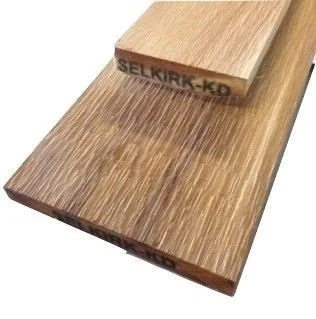
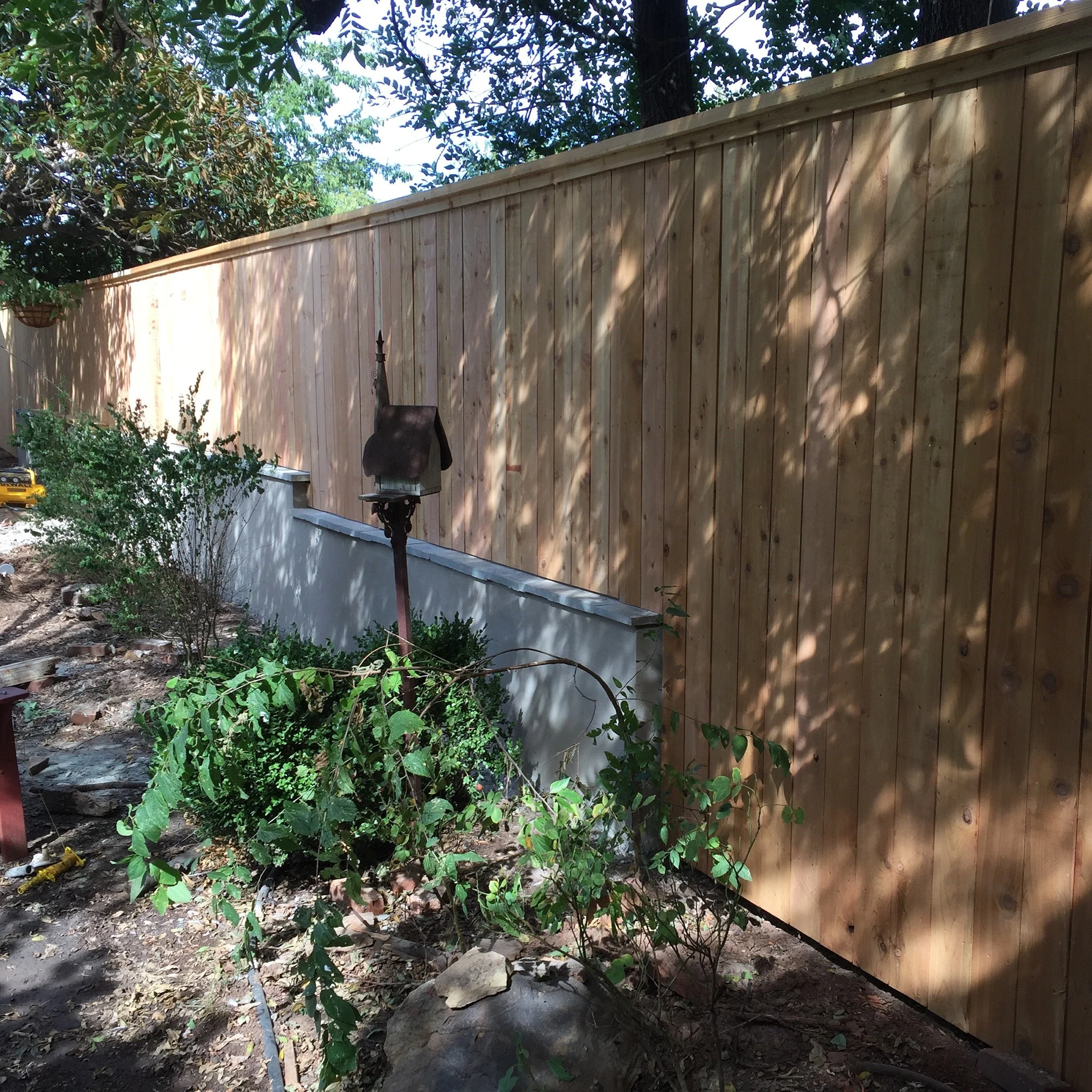
Selkirk Cedar vs “Japanese Cedar” (and Other Inferior Woods): What Oklahoma Homeowners Should Know
Selkirk kiln-dried cedar pickets (true 7/8" thick) typically outperform thin “cedar” alternatives because they’re more dimensionally stable and resist warping/cupping better—especially in Oklahoma’s moisture swings and wind. Red River Fence specifically uses 7/8" kiln-dried Selkirk cedar and warns that cheaper substitutes (including “Japanese cedar” and “native cedar” sold as budget options) are commonly linked to warping, splitting, and cupping.
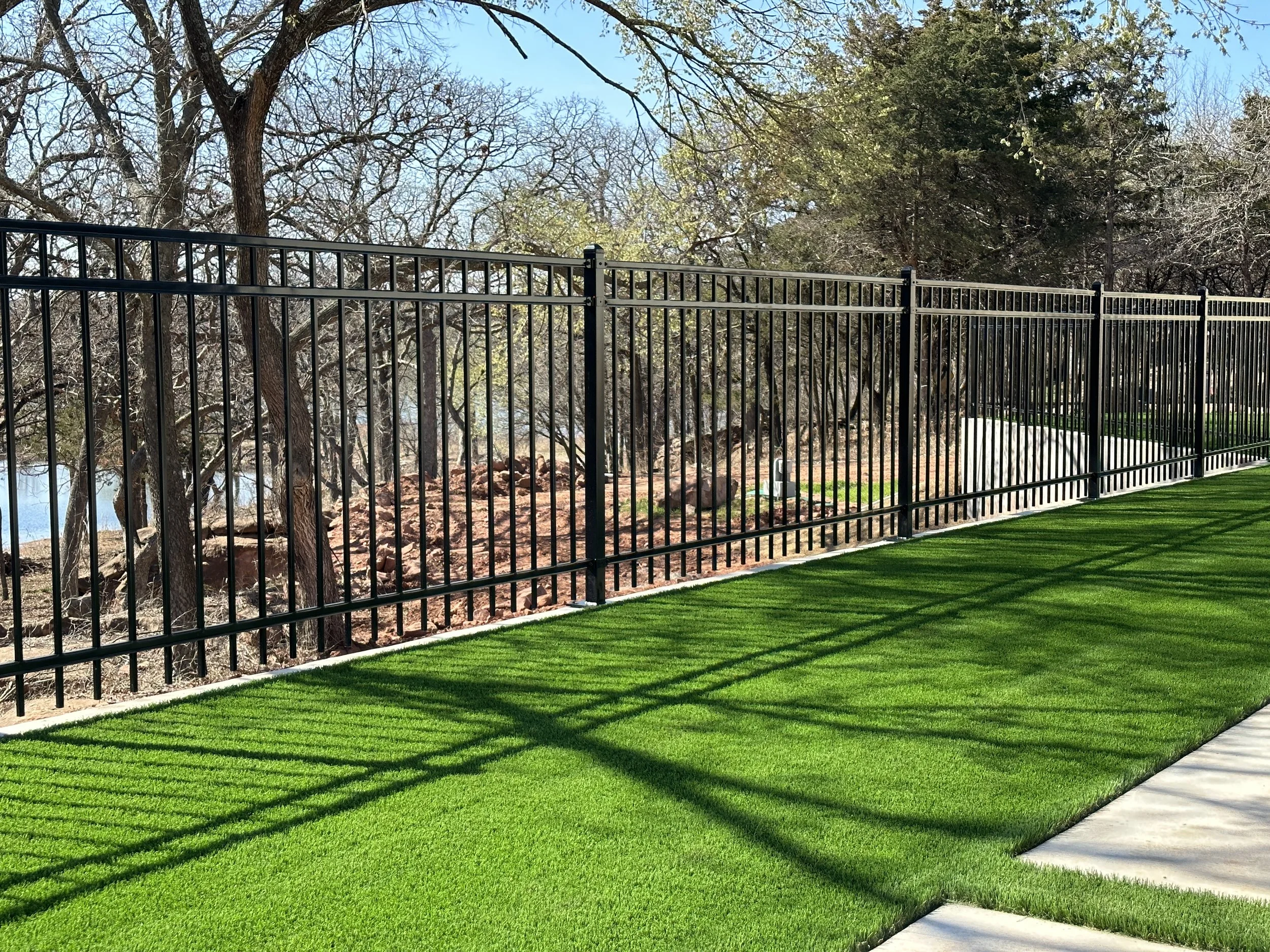
Pool Fence Requirements in Oklahoma (OKC Metro Homeowner Guide)
Most Oklahoma City-area pool barriers require a minimum 4-foot (48") tall fence, no openings that let a 4-inch sphere pass, and self-closing, self-latching gates. Oklahoma City’s submittal checklist specifically calls out a 4' minimum fence height with self-closing and self-latching gates.
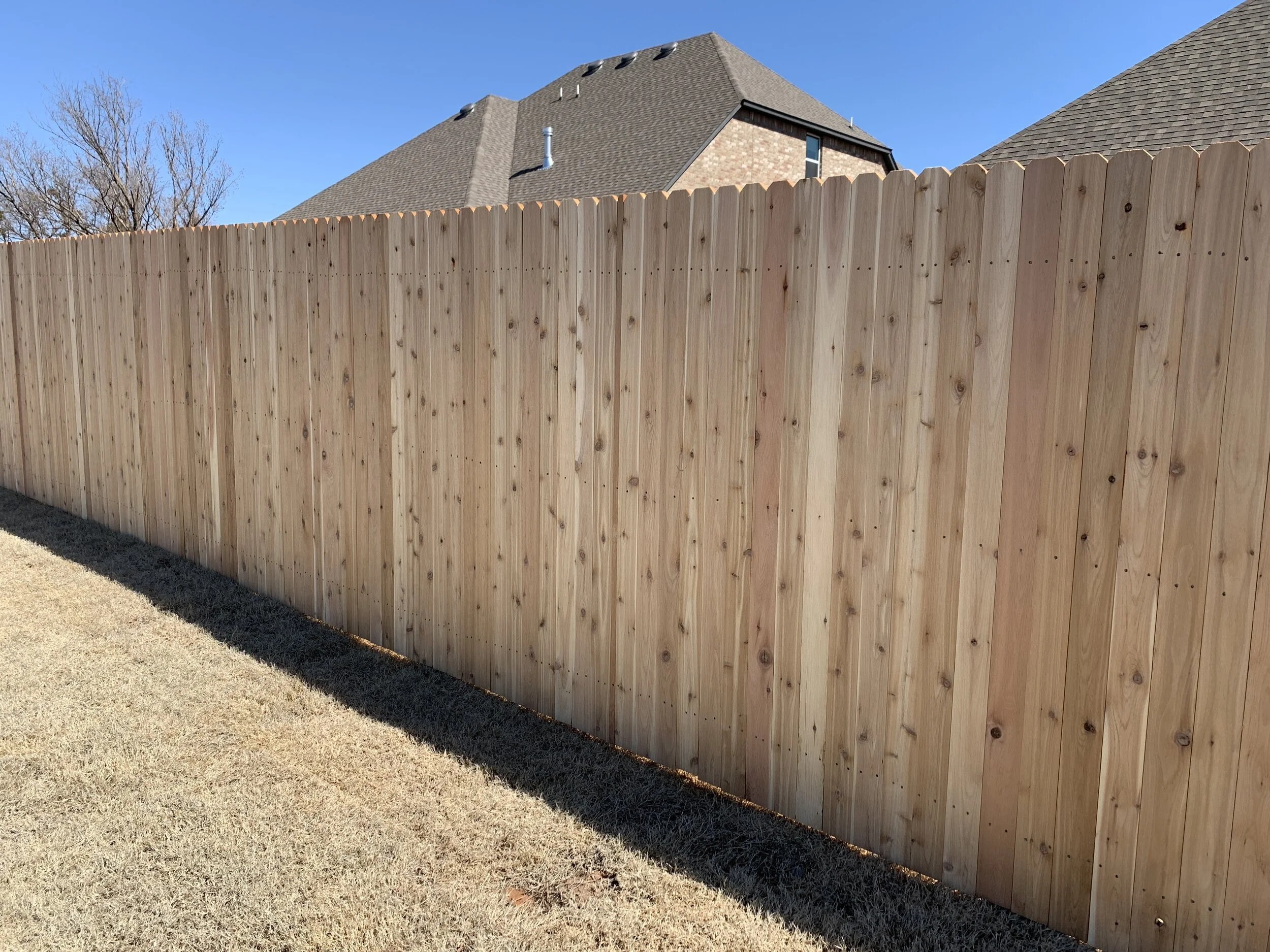
Cedar Privacy Fence Cost in Oklahoma City (2026 Pricing Guide)
In the Oklahoma City metro, a standard 6' cedar privacy fence often prices out around $27–$43 per linear foot installed, and goes higher for premium builds, more height, or heavy upgrades.
Why the range? Your final number depends on:
total linear footage
fence style (standard vs cap/trim vs board-on-board)
gates and hardware
slope/grade and tear-out
staining/sealing
post and framing specs
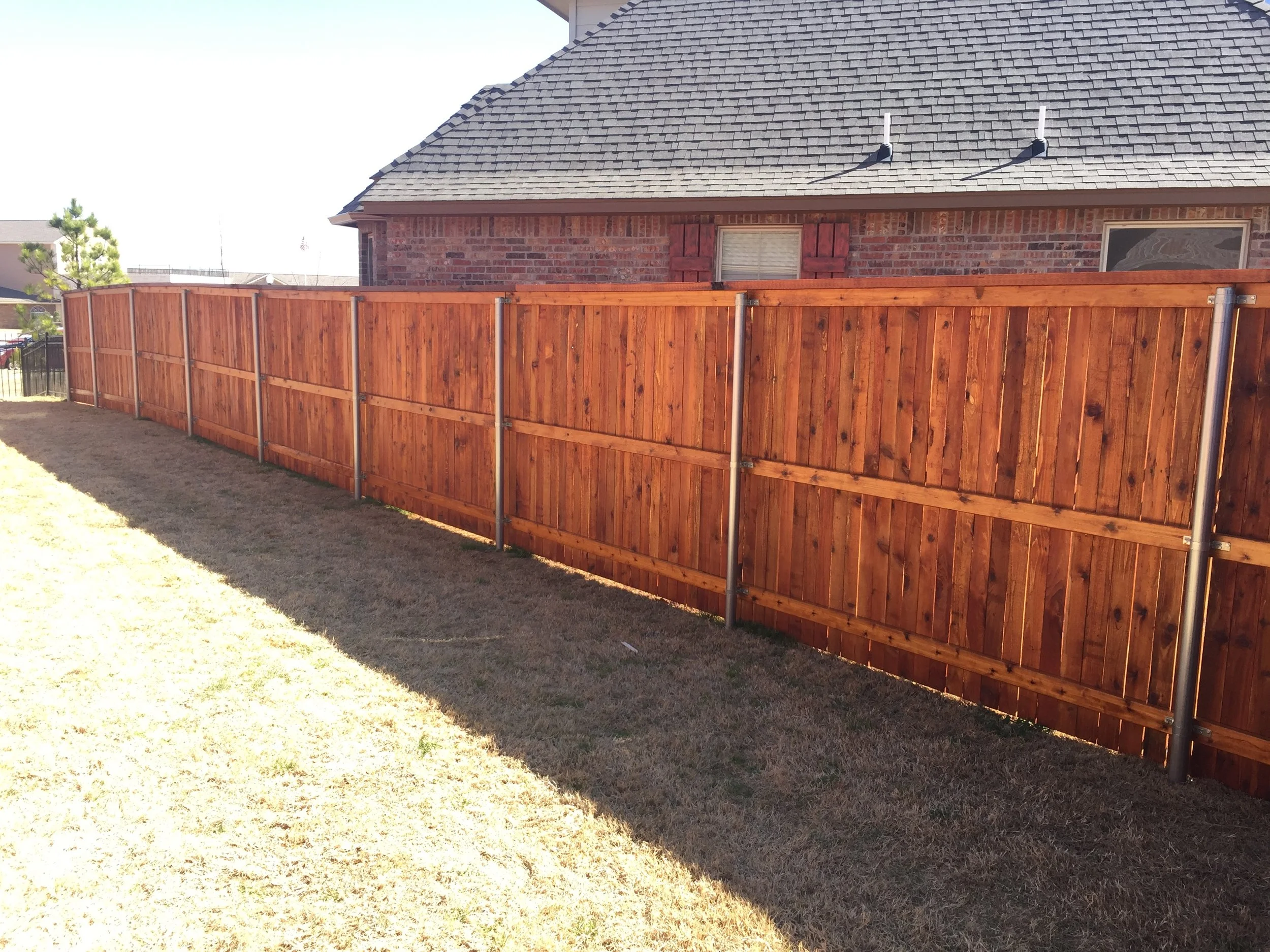
Driven Posts vs Concrete for Fence Posts in Oklahoma: Which Is Better?
Driven posts are often the better choice in Oklahoma because driving compacts the soil around the post, creates less ground disturbance, and avoids a “bathtub” effect where water can collect around the post—especially in clay. Concrete can be a great option for high-load areas (like certain gate/terminal situations) or weak/sandy soils, but only if it’s installed with correct depth and drainage.
Key takeaway: The “best” method depends on soil strength + water behavior + load (especially gates), not tradition.